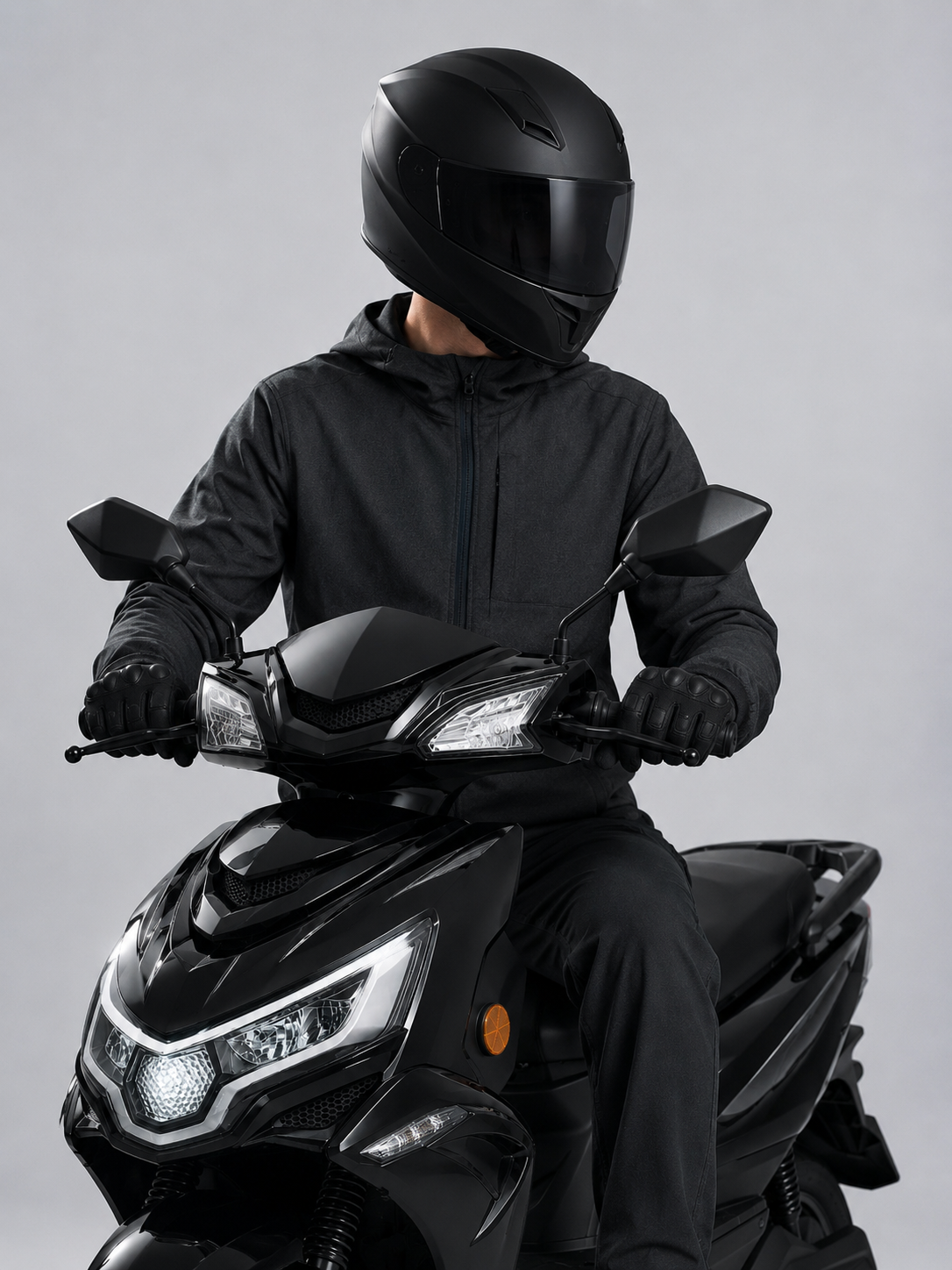
Kathmandu asks a lot from a scooter. A normal journey can combine narrow streets, stop-start traffic, uneven surfaces, steep sections, tight parking and two-up riding. The right electric scooter should feel composed across that mix—not only impressive in a specification table.
Use this checklist to turn a showroom visit into a realistic comparison.
1. Map your actual route
Begin with distance, elevation and frequency. Measure the complete return journey and add the detours you make most often. Note the steepest climb, roughest surface and busiest traffic section. This route becomes your test standard.
Choose enough battery range to cover the routine with a comfortable reserve. A scooter that technically completes the trip but returns almost empty every day leaves little flexibility for errands, passengers or changing conditions.
2. Test low-speed control and hill response
Peak power sounds exciting, but smooth control matters every day. Check whether the throttle is predictable when moving slowly through traffic or a narrow lane. On an incline, the scooter should pull away confidently without a sudden surge that makes balance difficult.
- Start gently on a slope.
- Accelerate from low speed with and without a passenger if possible.
- Switch riding modes and notice whether each one has a clear purpose.
- Check whether the scooter holds its line over broken or patched surfaces.
3. Treat braking as a complete system
Look beyond the presence of a disc brake. Lever feel, front-to-rear balance, tyre grip and chassis stability all influence stopping confidence. A combined braking system can help distribute braking input, but riders should still practise progressive braking and maintain safe following distance.
During the test ride: use a safe, clear area to try gentle, moderate and firmer stops. The scooter should remain predictable rather than pitching, wandering or locking abruptly.
4. Check comfort with your real passenger and luggage
Seat length, footboard space, suspension and handlebar position affect every kilometre. Sit in your normal riding posture. Make a full steering turn and check that your knees and hands have space. If you regularly carry a passenger, test the rear seat and footrests together.
Storage is equally personal. Bring the helmet, bag or daily items you actually carry. A brochure volume does not tell you whether your specific belongings fit.
5. Plan charging before purchase
Confirm where you will park and charge. Measure the distance to the outlet, check weather protection and make sure the electrical point is suitable. Ask how long a typical charge takes, what the indicator shows and whether the charger can be replaced locally.
If you live in a shared building, agree on a safe charging location before taking delivery. A convenient routine is one you can repeat without moving cables through walkways or leaving equipment exposed.
6. Read the warranty, not only the headline
A useful warranty explains duration, coverage, exclusions and the process for making a claim. Ask separately about the vehicle, battery and charger. Find out who performs diagnostics, where service is available and how routine parts are supplied.
- Is the warranty written and easy to understand?
- Which maintenance items are considered normal wear?
- How is battery health assessed?
- Are tyres, brake parts and chargers stocked locally?
- Who do you contact when the scooter cannot be ridden?
7. Evaluate visibility and practical details
Check the headlight beam, daytime running lights, indicators, mirrors and emergency lights. Sit on the scooter at night if the showroom allows it. Confirm that the display remains readable in bright daylight and that important information can be understood quickly.
Small details become daily quality: a stable side stand, useful USB charging, secure grab rails, clear controls and tyres suited to the roads you use.
Make the final comparison after the ride
Write down how each scooter felt before discussing discounts. Compare range confidence, low-speed control, braking, comfort, charging and support in that order. Price matters, but the lowest purchase price can be poor value if the scooter does not fit your route or lacks dependable service.
The best electric scooter for Kathmandu is the one that makes your normal day easier and still feels reassuring when the road becomes steep, crowded or uneven.