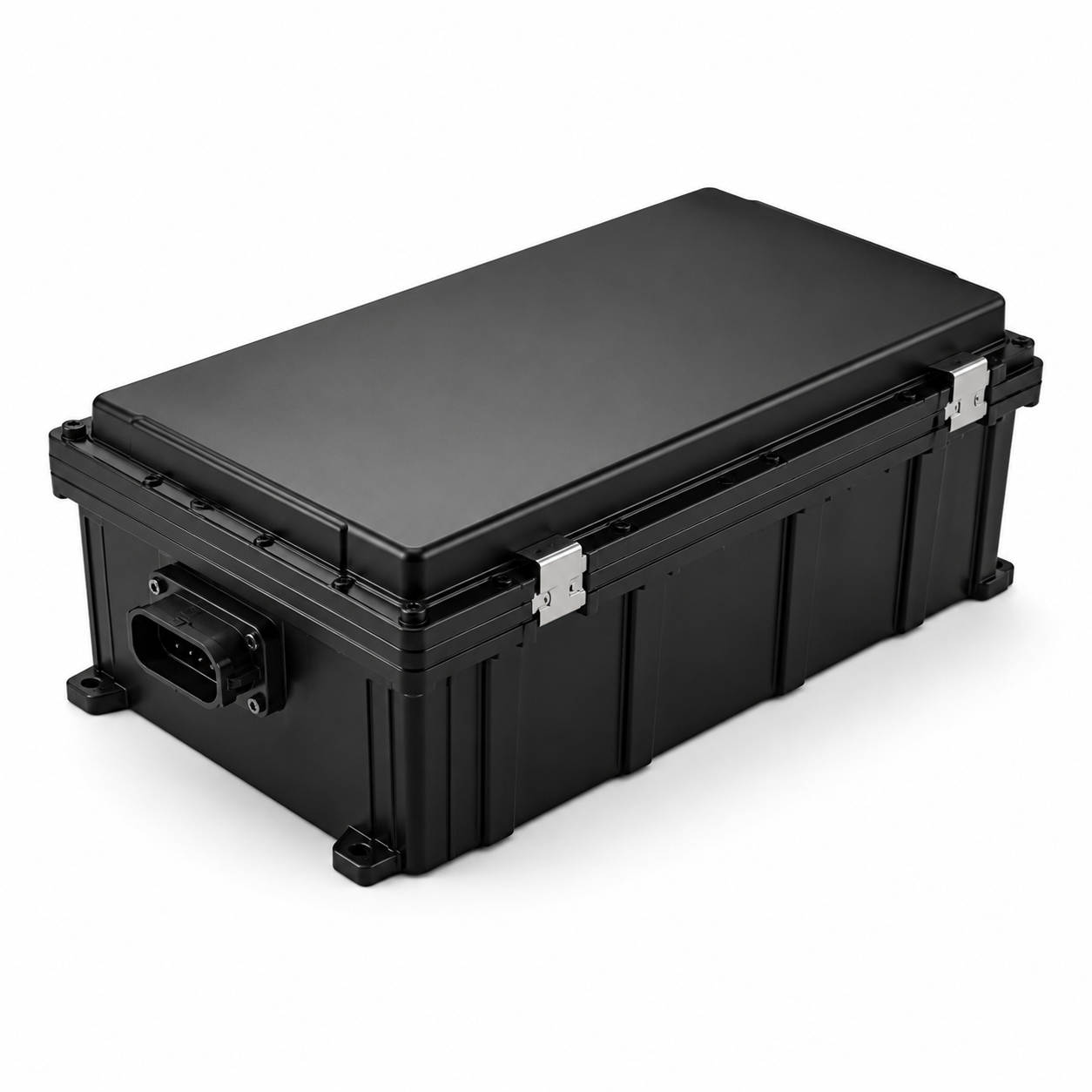
LFP stands for lithium iron phosphate, a type of lithium-ion battery chemistry used in electric mobility and energy storage. For a scooter rider, the chemistry matters because it influences durability, thermal behaviour, charging characteristics, weight and cost.
No battery should be judged by chemistry alone. Pack design, cell quality, the battery management system, enclosure, charger and after-sales diagnostics all work together. LFP is the foundation; engineering and support determine how that foundation performs in daily life.
Why manufacturers use LFP
LFP chemistry is widely valued for cycle life and thermal stability. In plain language, it is designed to tolerate repeated charging and discharging while maintaining useful capacity over time. That makes it a sensible choice for vehicles expected to be used frequently rather than stored as occasional toys.
The trade-off is that LFP can store less energy for the same weight or volume than some other lithium-ion chemistries. Good scooter design accounts for this through battery packaging, vehicle efficiency and an appropriate motor-and-controller setup.
The battery management system matters
A battery management system, usually called a BMS, monitors the pack. Its responsibilities can include tracking voltage, temperature and current, balancing cells and protecting the battery when conditions move outside safe limits.
When comparing scooters: ask about the battery warranty, diagnostic process and replacement support—not only the cell chemistry printed on the specification sheet.
Everyday charging habits
- Use the supplied or approved charger. The charger is matched to the battery voltage and charging profile.
- Charge in a dry, ventilated place. Keep the charger uncovered and away from standing water or direct rain.
- Let the system complete its work. Avoid repeatedly disconnecting and reconnecting without a reason.
- Do not use damaged cables or plugs. Have worn components inspected instead of improvising a repair.
- Follow storage guidance. If the scooter will not be used for an extended period, use the charge level and check interval recommended by the manufacturer.
Does charging to 100% damage an LFP battery?
Owners sometimes carry charging rules from phones or other battery types into electric vehicles. The best guidance is the one supplied for the specific scooter and its BMS. Charging fully can be useful when you need maximum range and may also allow the system to balance cells. For routine short journeys, some owners may not need a full charge every day.
Avoiding deep discharge as a habit is generally more useful than obsessing over an exact percentage. Plan enough reserve to reach a charger without repeatedly running the pack to empty.
Heat, water and physical damage
All high-energy battery packs deserve care. Do not pressure-wash battery connectors, modify the enclosure or continue riding after a significant impact without inspection. If the pack, connector or charger becomes unusually hot, smells abnormal or shows visible damage, stop using it and contact authorised service support.
Questions worth asking before you buy
- What does the battery warranty cover, and for how long?
- Can the service team read battery health and fault information?
- Are replacement packs and chargers available locally?
- How is the battery protected from water, vibration and impact?
- What charging and storage routine does the manufacturer recommend?
An LFP battery can be a strong fit for an electric scooter in Nepal, especially for riders who value regular use and long-term confidence. The complete ownership picture still includes efficient vehicle design, honest range guidance and support after the sale.