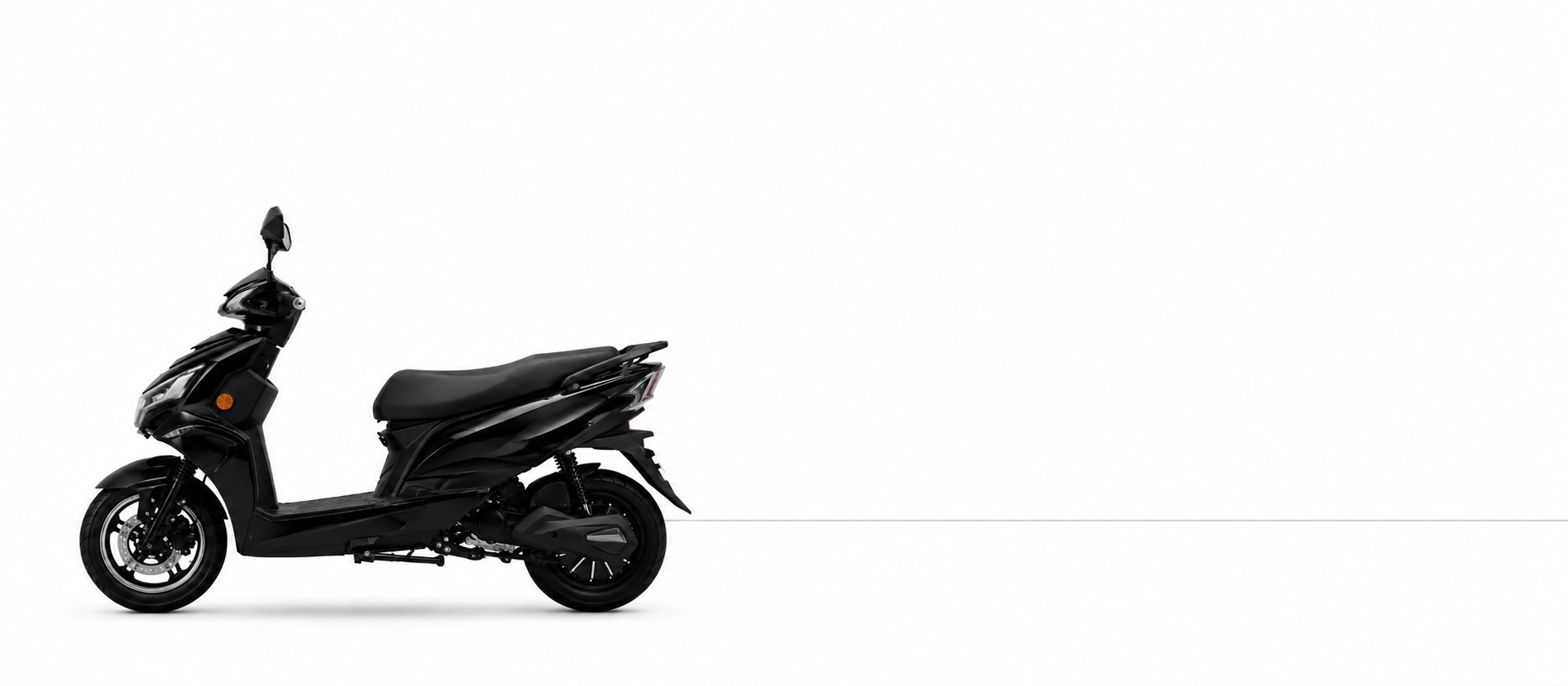
Range is one of the first specifications people compare when buying an electric scooter in Nepal. It is also one of the easiest numbers to misunderstand. A quoted figure is normally measured under controlled conditions. Daily riding includes climbs, traffic, passengers, changing temperatures and frequent acceleration—all of which influence energy use.
That does not make a range figure meaningless. It means the figure should be treated as a reference point, then translated into your own routine.
Start with your real weekly travel
Write down the distance of your regular return journey, not only the one-way commute. Add common detours such as errands, school runs or meeting friends. Then count how many days you want to ride between charges. This gives you a more useful target than simply choosing the scooter with the largest advertised number.
A practical habit: plan around a comfortable reserve rather than using every last percentage of the battery. A reserve leaves room for an unexpected detour, a passenger or heavier traffic.
What changes electric scooter range?
Road gradient
Climbing requires more energy than riding on level roads. If your route includes repeated uphill sections around the Kathmandu Valley, expect higher consumption on the climb. Regenerative braking may recover some energy on the way down, but it does not completely cancel the energy used going uphill.
Speed and acceleration
Repeated hard acceleration and sustained high speed use more energy. Smooth throttle inputs and a moderate pace generally improve range. Riding modes are useful here: an efficient mode can soften acceleration for crowded roads, while a stronger mode remains available when you need quicker response.
Rider, passenger and luggage
More total weight asks the motor to do more work, especially when starting or climbing. Compare scooters using the way you actually ride. If two-up travel is common, include it during a test ride rather than evaluating the scooter alone.
Tyre pressure and mechanical condition
Under-inflated tyres increase rolling resistance. Correct tyre pressure, aligned brakes and routine maintenance help the scooter use its available energy efficiently. Always follow the manufacturer's recommended pressure and service guidance.
Temperature and battery state
Battery performance can vary with temperature, age and charge level. The effect is usually most noticeable at the extremes. Consistent charging habits and sensible storage help keep day-to-day range predictable.
How to compare range claims
- Ask how the figure was measured. Look for the test mode, speed, payload and conditions.
- Check battery capacity alongside range. Range without context does not show how the result was achieved.
- Test your type of road. Include a climb, rough surface and stop-start traffic if those are part of your routine.
- Watch percentage use, not only the display estimate. A short familiar loop can reveal how consistently the battery indicator behaves.
- Ask about warranty and diagnostics. Long-term confidence depends on battery support as much as the first ride.
Plan charging around convenience
A long-range electric scooter can reduce charging frequency, but convenience still matters. Confirm where the scooter will be parked, whether a suitable power outlet is available and how the charging cable will be kept dry and protected. Charging at home can be simple when the routine is planned before purchase.
The best electric scooter range for Nepal is not an abstract maximum. It is enough dependable distance for your week, with a reserve, supported by a battery and service plan you understand.